
An accessible drinking fountain is more than just an amenity—it is a commitment to inclusivity and regulatory compliance. Facilities must consider user needs, safety standards, and long-term maintenance when choosing an ADA compliant drinking fountain.
The right fountain ensures easy access for wheelchair users while offering durability and aesthetic appeal. This article covers ADA requirements, available fountain types, facility needs assessment, durability and maintenance, installation best practices, budgeting tips, and supplier resources to help facility managers make informed decisions.
Transitioning to a detailed discussion, the article explains the regulatory background and technical specifics necessary to ensure full ADA compliance. including the critical requirement of ADA knee clearance.
Understanding ADA drinking fountain requirements is essential to meet federal and local regulations while providing accessible water facilities. Guidelines ensure that fountains are within reach, usable independently by persons with disabilities, and maintained to ensure health and safety. One of the most essential aspects of compliance is maintaining proper ADA knee clearance to accommodate wheelchair users comfortably.
The applicable ADA standards include the 2010 ADA Standards for Accessible Design and the Americans with Disabilities Act Accessibility Guidelines (ADAAG). These documents specify approved dimensions, placement, and operable parts for plumbing fixtures and water coolers.
They require unobstructed access routes, limits on protruding objects, and controls operable with a closed fist for users in wheelchairs. On-site inspections verify compliance, and adjustments may be recommended based on user feedback and updated guidelines to avoid violations and fines.
ADA guidelines require that drinking fountains be installed at heights between 34 and 36 inches from the finished floor to the spout, enabling users to direct water into a cup or bottle easily. A clear knee space—also known as ADA knee clearance—of about 27 inches from the floor to the underside of the unit is needed for wheelchair accessibility. While dimensions may vary slightly by model or manufacturer, ensuring ADA knee clearance is met remains a non-negotiable factor for compliance.
There must be a clear floor space of at least 30 inches by 48 inches in front of the fountain to allow maneuvering for wheelchairs or mobility devices. Operable parts, such as activation valves, should be designed for one-handed operation without requiring tight grasping, pinching, or twisting. Features like push-button or touchless activation not only promote hygiene but also ensure ease of use, contributing to higher user satisfaction during ADA inspections.
ADA compliant fountains are available in various configurations, including wall-mounted, free-standing, and combination units with bottle fillers. The choice depends on space, usage frequency, design, and installation requirements.
Wall-mounted fountains are fixed along a wall, making them ideal for areas with limited floor space, such as offices or schools, while maintaining a sleek profile. Free-standing fountains offer flexible placement and can include additional features like bottle fillers or chilled water options, making them well-suited for larger or high-traffic areas. Both types must meet ADA height, reach, and clearance criteria, but the decision often depends on the facility layout and aesthetic preferences.
Combination fountains that include bottle fillers provide dual functionality. They allow for direct drinking from the spout or bottle refilling, which is beneficial for users who carry personal water bottles and for reducing plastic waste. Both functions are engineered to meet ADA height and knee clearance requirements while using materials that are durable and easy to clean.
ADA-compliant water coolers serve as temperature-controlled hydration stations and are especially useful in high-traffic areas such as hospitals and educational institutions. These models incorporate refrigeration to provide chilled water and can offer both room temperature and cold water selections, combining accessibility with enhanced user satisfaction.
Proper selection requires evaluating facility-specific factors such as user demographics, spatial layout, and overall function. A thorough needs assessment ensures the chosen fountain meets both immediate and future requirements.
The number of fountains depends on the facility’s capacity and anticipated usage. High-traffic environments like schools, hospitals, or sports centers might need multiple units placed strategically to avoid congestion. Consideration of proximity to exits, waiting areas, and restrooms is crucial, as is ensuring that clear floor space requirements are met. A site assessment can help determine the ideal number and placement of units.
Different facilities have unique requirements. Educational institutions might require a mix of wall-mounted and free-standing units, while corporate offices may prefer sleek, modern designs that blend with professional interiors. User demographics—such as age and physical ability—influence the design, with larger controls and extended reach benefiting older or disabled users, while energy-efficient designs may appeal to younger, more mobile populations.
Aesthetics are important because the fountain often represents the facility’s commitment to quality and accessibility. Materials like stainless steel, brass, or high-quality plastics are chosen for both durability and visual appeal. A modern design, possibly with integrated bottle fillers or digital displays, can enhance the first impression and contribute to an inviting environment.
Long-term performance depends on the fountain’s durability and ease of maintenance. Facilities should evaluate not only the initial cost but also the service life, maintenance frequency, and parts availability. High-quality design minimizes downtime and supports ongoing compliance.
Stainless steel is the preferred material because of its corrosion resistance and ease of cleaning. High-grade plastics and brass also offer durability and a professional finish. Silicon seals and advanced polymers are commonly used in valves to reduce wear. Checking for UL certification and strong manufacturer warranties can further ensure long-term performance.
Routine maintenance—such as cleaning spouts, inspecting for leaks, and testing operable parts—is vital to sustained performance and ADA compliance. Scheduled preventive maintenance identifies early signs of wear, reducing emergency repairs and ensuring continuous accessibility. Service contracts can support regular upkeep and technical support.
Trusted suppliers offer comprehensive customer support including technical manuals, detailed installation guidelines, and on-site training. Extended warranty programs, 24/7 support hotlines, and online troubleshooting resources are common. Some manufacturers even provide regular service inspections to maintain compliance over time.
Proper installation is key to meeting ADA compliance and achieving long-term success. Facility managers must follow best practices, verify compliance post-installation, and involve all relevant stakeholders.
Best practices begin with pre-installation site evaluations. Installers must ensure the unit height and ADA knee clearance match guideline requirements. Post-installation checks should confirm that the underside of the unit provides adequate open space to accommodate wheelchairs without obstruction.
Post-installation inspections should include measurement of fountain height, operable part functionality, and especially the ADA knee clearance. This ensures users can approach the fountain comfortably and safely. Independent audits and feedback from individuals with disabilities are crucial for validating proper installation and usability.
A collaborative approach involving facility management, ADA compliance experts, experienced installation contractors, and maintenance personnel is ideal. Each party plays a vital role—from planning and coordination to post-installation inspections—to ensure the fountain remains compliant and functional.
Budgeting for ADA drinking fountains requires consideration of purchase cost, installation fees, and ongoing maintenance. Evaluators should assess total cost of ownership alongside compliance and user satisfaction.
Different models carry different price tags. Wall-mounted units are usually less expensive due to a smaller installation footprint, whereas free-standing units with additional features like refrigeration or bottle fillers may cost more. Combination models can also be premium-priced because of their multifunctionality. It is important to weigh initial costs against potential long-term savings due to durability and reduced maintenance.
Durable, low-maintenance models often result in long-term financial savings by reducing repair frequency, lowering energy bills, and extending the fountain’s lifespan. Energy-efficient designs and service contracts offering routine maintenance can further contribute to lower overall expenses, offsetting a higher upfront investment.
Many facilities can access funding through federal, state, or local grants, as well as nonprofit programs and public-private partnerships aimed at improving accessibility. Such funding may cover partial or full installation and maintenance costs, easing fiscal burdens for ADA compliance projects.
Choosing a reputable supplier is crucial for ensuring that the fountain meets quality, durability, and compliance standards. Reliable suppliers offer warranties, expert guidance, and robust customer support, which are essential for both installation and long-term service.
A dependable supplier will have extensive industry experience, verifiable certifications, and a solid history of quality products. Third-party compliance testing, positive customer testimonials, and comprehensive warranty policies are good indicators of reliability. Transparency regarding product specifications, pricing, and support options is also important.
Established suppliers provide dedicated technical support teams, online resources such as video tutorials and FAQs, and sometimes on-site consultations. These resources help facility managers quickly resolve issues and maintain compliance, reducing downtime and administrative overhead.
Several reputable online platforms, including the ADA National Network and specialized compliance forums, offer current ADA guidelines, regulatory updates, and technical documentation. Regularly consulting these resources helps facility managers keep abreast of new requirements and innovations in ADA compliant drinking fountains.
Before moving to the conclusion, consider the following table summarizing key features, materials, and benefits of various ADA drinking fountains:
| Fountain Type | Material(s) | Key Feature | Benefit | Cost Impact |
|---|---|---|---|---|
| Wall-Mounted Fountains | Stainless Steel/Brass | Minimal floor space usage | Ideal for narrow or confined spaces | Low to moderate |
| Free-Standing Fountains | Stainless Steel/Plastic | Flexible placement, extra features | Increased visibility and versatility | Moderate to high |
| Combination Fountains | Stainless Steel/Composite | Integrated bottle filler | Dual functionality, eco-friendly | High |
| ADA-compliant Water Coolers | Stainless Steel with Chiller | Refrigerated water supply | Temperature-controlled hydration | Moderate to high |
| Accessible Bottle Filling Stations | Durable Polymer/Brass | Additional bottle filler attachment | Supports alternative drinking needs | Low to moderate |
The table above assists in comparing different models and understanding how each feature aligns with facility needs.
By following this checklist, facility managers can make informed decisions that ensure both ADA compliance and operational efficiency.
Selecting the right ADA drinking fountain is crucial for ensuring accessibility and inclusivity. Incorporating proper ADA knee clearance is not just a design detail—it’s an essential feature for compliance and dignity in access.
By understanding ADA standards, prioritizing clearance and usability, and partnering with trusted suppliers, facility managers can ensure long-term success and user satisfaction. Investing in accessible and durable fountain solutions reinforces your facility’s commitment to everyone it serves.
The main requirements include specified height and reach dimensions, a clear floor space of at least 30 inches by 48 inches, and operable parts that are easy to use with one hand, ensuring independent and safe use by individuals with disabilities.
The choice depends on available space and usage patterns. Wall-mounted fountains are ideal for confined spaces with limited floor clearance, while free-standing models offer more flexibility and additional features suitable for larger areas.
Combination fountains provide both direct drinking and bottle refilling functions, promoting environmental sustainability by reducing disposable bottle use and catering to varied user needs.
Regular maintenance, including cleaning, leak inspections, and operability tests, prolongs the fountain’s life, prevents costly repairs, and ensures continued ADA compliance.
Look for verifiable certifications, a comprehensive warranty, robust customer support with technical guides and on-site inspections, and positive customer feedback regarding product quality.
Yes, facilities can often access federal, state, and local grants, as well as funding from nonprofit organizations, to help offset installation and maintenance costs.
Verification involves a comprehensive post-installation inspection covering height, reach, clear floor space, and operability, along with independent audits and user feedback from individuals with disabilities.
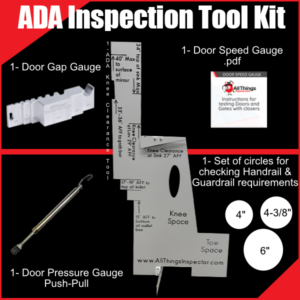
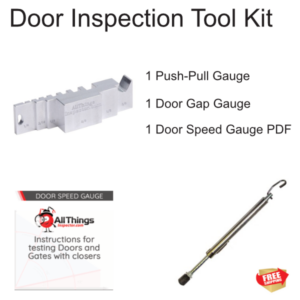

Navigating building code compliance means balancing three distinct frameworks: the Americans with Disabilities Act (ADA), the International Building Code (IBC), and the National Fire Protection
Vague ADA deficiency reports cost thousands in rework and project delays. Contractors need specific measurements, clear photographs, exact code references, and actionable remediation steps to