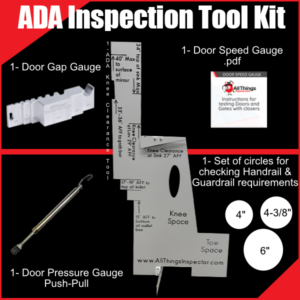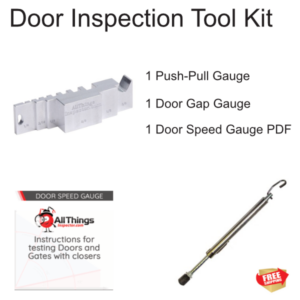

Fire doors play a critical role in protecting lives and limiting property damage during a fire. Yet, they are one of the most commonly cited deficiencies during fire safety inspections. Under NFPA 80, fire doors must be regularly inspected and properly maintained to ensure they function exactly as intended.
Even small issues—such as a missing seal or a door that fails to latch—can result in failed inspections, fines, or forced corrective action. This guide provides a complete NFPA 80 fire door inspection checklist, explains what inspectors look for, outlines common deficiencies, and helps you stay compliant with confidence.
Key Takeaways
- NFPA 80 mandates routine fire door inspections to ensure life safety
- Fire doors must be inspected as a complete assembly, not individual parts
- Most violations stem from hardware, seals, and door operation failures
- Documentation and corrective maintenance are essential to avoid penalties
- Proactive inspections reduce liability, downtime, and reinspection costs
What Is NFPA 80 and Why It Matters
NFPA 80 is the Standard for Fire Doors and Other Opening Protectives, developed by the National Fire Protection Association. It establishes requirements for the installation, inspection, testing, and maintenance of fire-rated doors and assemblies.
The goal of NFPA 80 is simple:
Ensure fire doors work when they are needed most.
Fire doors are designed to:
- Contain fire and smoke within compartments
- Protect exit routes and stairwells
- Slow fire spread, allowing occupants time to evacuate
- Support the overall fire protection system of a building
Failure to comply with NFPA 80 can lead to:
- Failed life safety inspections
- Citations from authorities having jurisdiction (AHJs)
- Insurance issues and liability exposure
- Increased risk to occupants during a fire event
Why NFPA 80 Fire Door Inspections Are Critical
Fire doors are used daily, which makes them prone to wear, damage, and improper modifications over time. Unlike walls or structural fire barriers, fire doors have moving parts that must function perfectly under emergency conditions.
Regular inspections help ensure:
- Doors fully close and latch without interference
- Fire-rated components remain intact and compliant
- Unauthorized field modifications are identified early
- Safety issues are corrected before enforcement action occurs
NFPA 80 inspections are not optional—they are a core requirement for maintaining a safe and code-compliant building.
Understanding Fire Door Components and Assemblies
A fire door is not just the door itself. Under NFPA 80, it is considered a complete assembly, and every component must work together.
| Component | Function |
|---|---|
| Door Leaf | Fire-rated barrier that resists flames and heat. |
| Door Frame | Supports and secures the door assembly. |
| Hinges | Maintain alignment and smooth operation. |
| Latching Hardware | Keeps the door closed during fire conditions. |
| Door Closer | Ensures automatic and complete closure. |
| Intumescent Seals | Expand under heat to block smoke and flames. |
| Vision Panels | Fire-rated glazing where applicable. |
| Fire Label | Confirms rating and compliance with safety standards. |
If any single component fails, the entire fire door assembly may be deemed non-compliant.
Read more about fire door compliance; https://allthingsinspector.com/ada-compliant-doors-clearance-inspection/
NFPA 80 Fire Door Inspection Checklist
A compliant inspection evaluates condition, operation, and labeling. Inspections must be thorough, consistent, and documented.
1. Door and Frame Condition
Inspectors check for:
- Holes, cracks, dents, or delamination
- Warping or misalignment
- Unauthorized modifications or field drilling
- Proper attachment of the frame to the wall
Any physical damage that compromises fire resistance is a violation.
2. Gaps, Clearances, and Seals
Proper clearances are critical to fire and smoke containment.
Inspectors verify:
- Door-to-frame gaps meet NFPA tolerances
- No excessive bottom clearance
- Intumescent and smoke seals are present and intact
- Seals are continuous and securely attached
Missing or damaged seals are one of the most common inspection failures.
3. Door Operation and Self-Closing Function
A fire door must:
- Open smoothly without binding
- Close fully without manual assistance
- Latch automatically every time
Doors that are blocked, propped open, or slow to close fail inspection immediately.
4. Hinges, Hardware, and Latching Devices
Hardware must be:
- Fire-rated and listed for use
- Securely fastened
- Free of damage or missing parts
Inspectors look for:
- Loose or missing hinges
- Improper replacement hardware
- Non-compliant locks or panic devices
5. Fire Door Labels and Signage
Fire door labels must be:
- Present and legible
- Unpainted and unaltered
- Clearly visible for verification
Missing or painted-over labels can invalidate the fire rating.
Common NFPA 80 Fire Door Deficiencies
Many violations occur due to daily use, renovations, or lack of awareness.
Frequent Issues Found During Inspections
- Door fails to latch completely
- Missing or damaged intumescent seals
- Excessive gaps around the door perimeter
- Unauthorized hardware changes
- Holes from removed signage or access control
- Painted-over fire labels
- Door closers disconnected or disabled
These issues are often easy to correct—but costly if ignored until an inspection occurs.
Fire Door Maintenance and Repair Best Practices
Inspections alone are not enough. NFPA 80 requires deficiencies to be corrected in a timely manner.
Recommended Maintenance Practices
- Perform routine visual checks between annual inspections
- Use only fire-rated replacement parts
- Avoid field modifications without approval
- Repair issues immediately after identification
- Reinspect after any repair or alteration
Preventive maintenance significantly reduces long-term compliance risks.
Documentation and Recordkeeping Requirements
NFPA 80 requires inspection records to be maintained and available for review.
Inspection Records Should Include:
- Date of inspection
- Location and identification of each door
- Inspector name and qualifications
- List of deficiencies found
- Corrective actions taken
- Date repairs were completed
Clear documentation demonstrates due diligence and supports compliance during audits.
Why Choose All Things Inspector for Fire Door Inspections
All Things Inspector provides professional fire door inspections aligned with NFPA 80 standards and local code requirements. Their inspection-focused approach helps property owners identify issues early, reduce liability, and maintain safe, compliant buildings.
What Sets All Things Inspector Apart
- Detailed, code-aligned inspection process
- Clear reporting with actionable findings
- Focus on safety, compliance, and accuracy
- Experience across commercial and multi-unit properties
- Inspection services designed to support long-term compliance
By partnering with a knowledgeable inspection provider, property owners gain confidence that fire doors will perform as intended when it matters most.
FAQs
How often are NFPA 80 fire door inspections required?
NFPA 80 requires fire doors to be inspected at least once per year, with written documentation showing compliance and any corrective actions taken.
Who is qualified to inspect fire doors under NFPA 80?
Inspections must be completed by individuals with knowledge of fire door assemblies and familiarity with NFPA 80 inspection requirements.
What happens if a fire door fails inspection?
Any deficiencies must be repaired without delay. Unresolved issues can lead to reinspection requirements, citations, or enforcement action.
Are temporary fixes allowed for fire door issues?
Temporary fixes are not acceptable. All repairs must use fire-rated components and restore the door to full NFPA 80 compliance.
Can renovations affect fire door compliance?
Yes. Construction and retrofits often cause violations such as damaged doors, altered hardware, or missing labels that must be corrected.